Nutrition as a Social Justice Movement
Category : | Sub Category : Posted on 2025-11-03 22:25:23
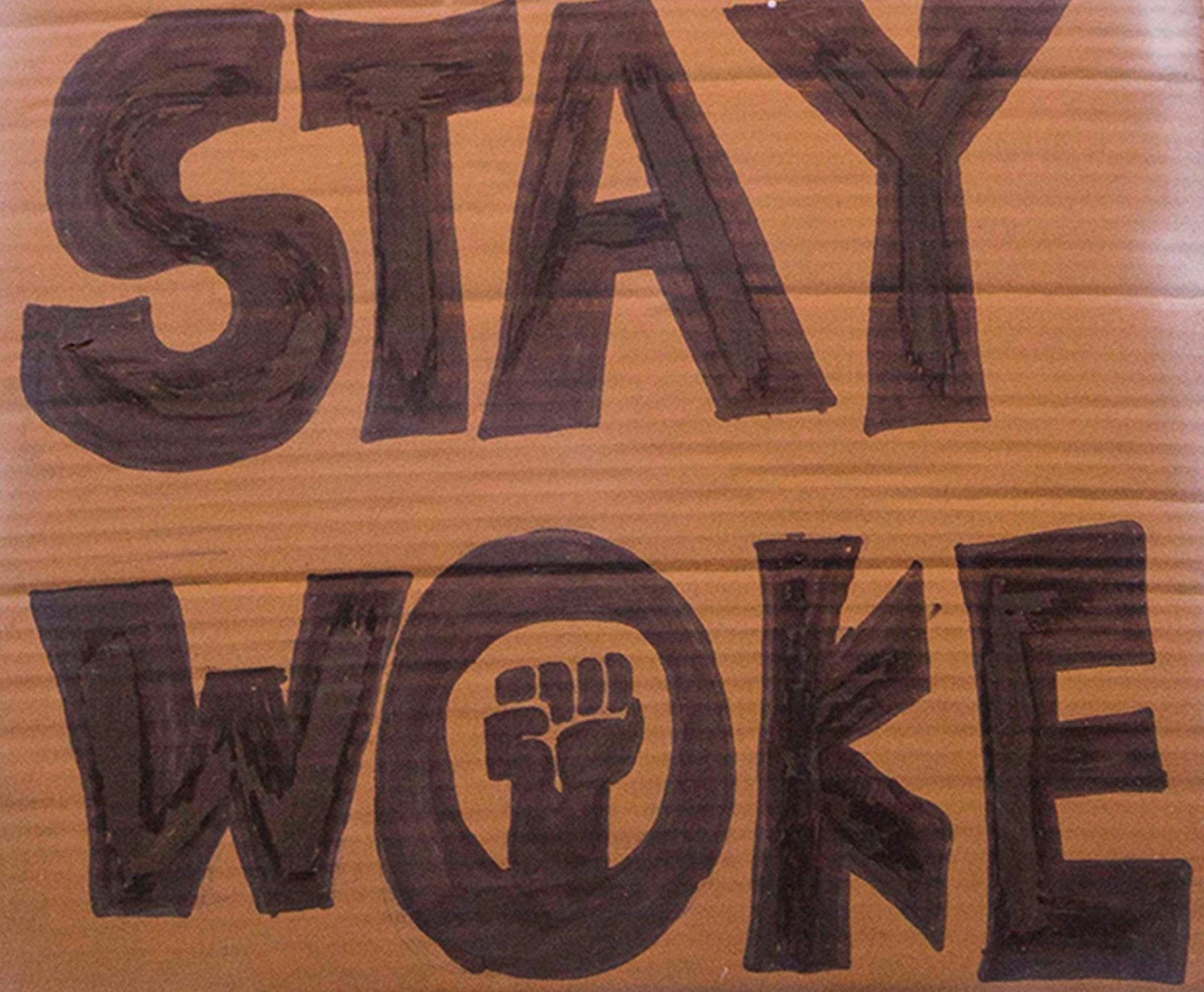
In recent years, there has been a growing recognition of the importance of Nutrition as a social justice issue. The food we eat not only impacts our individual health but also plays a significant role in shaping wider societal inequalities. Access to Healthy Food One of the key aspects of nutrition as a social justice movement is ensuring that all individuals have access to healthy and nourishing food. In many communities, particularly low-income and marginalized populations, there is a lack of access to fresh produce and nutritious options. This can lead to higher rates of diet-related diseases such as obesity, diabetes, and heart disease. Advocates for nutrition justice work to address this disparity by promoting food sovereignty, community gardens, farmers markets, and policies that support healthy food environments. Food Equity and Inclusion Another important component of nutrition social justice movements is the promotion of food equity and inclusion. This means recognizing that access to culturally appropriate and diverse foods is a fundamental human right. It also involves addressing systemic issues such as food deserts, food apartheid, and discriminatory practices within the food industry. By advocating for policies that support fair wages for farmworkers, sustainable agriculture practices, and equitable distribution of resources, nutrition advocates are working towards a more just and inclusive food system. Addressing Food Insecurity Food insecurity is a pressing issue that affects millions of individuals and families around the world. In the United States alone, over 38 million people are facing hunger, with communities of color disproportionately impacted. Nutrition social justice movements seek to address the root causes of food insecurity by advocating for policies that support economic justice, affordable housing, living wages, and access to social safety nets. By addressing these underlying issues, we can create a more equitable society where all individuals have the right to nutritious and affordable food. Intersectionality and Collaboration Nutrition social justice movements recognize the intersections between food, health, race, class, gender, and other social identities. By taking an intersectional approach, advocates can address the complex and interconnected nature of systemic inequities within the food system. Collaboration between different movements, such as environmental justice, food sovereignty, anti-racism, and public health, is essential for creating lasting change and building a more equitable food system for all. In conclusion, nutrition is not just about individual choices or personal preferences – it is a social justice issue that requires collective action and systemic change. By advocating for food access, equity, inclusion, and addressing food insecurity, we can work towards a more just and sustainable food system that ensures everyone has the right to healthy and nourishing food. Join the movement for nutrition justice and help build a healthier and more equitable world for all.
Leave a Comment:
SEARCH
Recent News
- Zurich, Switzerland: A Hub for Social Justice Movements
- Navigating Medical Device Regulations in Zurich, Switzerland
- Zurich, Switzerland and Liechtenstein are two neighboring European countries with distinct regulatory frameworks governing various aspects of society. In this blog post, we will explore some key regulations in Zurich, Switzerland and Liechtenstein that shape the way of life and business in these two unique destinations.
- Zurich, Switzerland: A Closer Look at Food Export-Import Regulations
- Zurich, Switzerland is renowned for its stunning landscapes, vibrant culture, and high quality of life. However, not many people are aware of the city's stringent food and drug regulations that contribute to the overall health and well-being of its residents and visitors.
- Creating YouTube content that spreads awareness about social justice movements is a powerful way to educate and inspire viewers from around the world. With the platform's global reach and diverse audience, creators have the opportunity to make a significant impact by shedding light on important issues and advocating for positive change.
- In today's digital age, YouTube has become a powerful platform for content creators to share their knowledge and expertise with a global audience. One particular niche that has been gaining traction on YouTube is the creation and translation of content related to medical devices regulation.
- YouTube Content Creation and Translation: Navigating Liechtenstein Regulations
READ MORE
5 months ago Category :

Zurich, Switzerland: A Hub for Social Justice Movements
Read More →5 months ago Category :

Navigating Medical Device Regulations in Zurich, Switzerland
Read More →5 months ago Category :

Zurich, Switzerland and Liechtenstein are two neighboring European countries with distinct regulatory frameworks governing various aspects of society. In this blog post, we will explore some key regulations in Zurich, Switzerland and Liechtenstein that shape the way of life and business in these two unique destinations.
Read More →5 months ago Category :
