In today's world, social justice movements play a crucial role in advocating for equality and fairness for marginalized communities. Diplomacy, the art of negotiating and maintaining relationships between nations, can also have a significant impact on these movements.
Category : | Sub Category : Posted on 2025-11-03 22:25:23
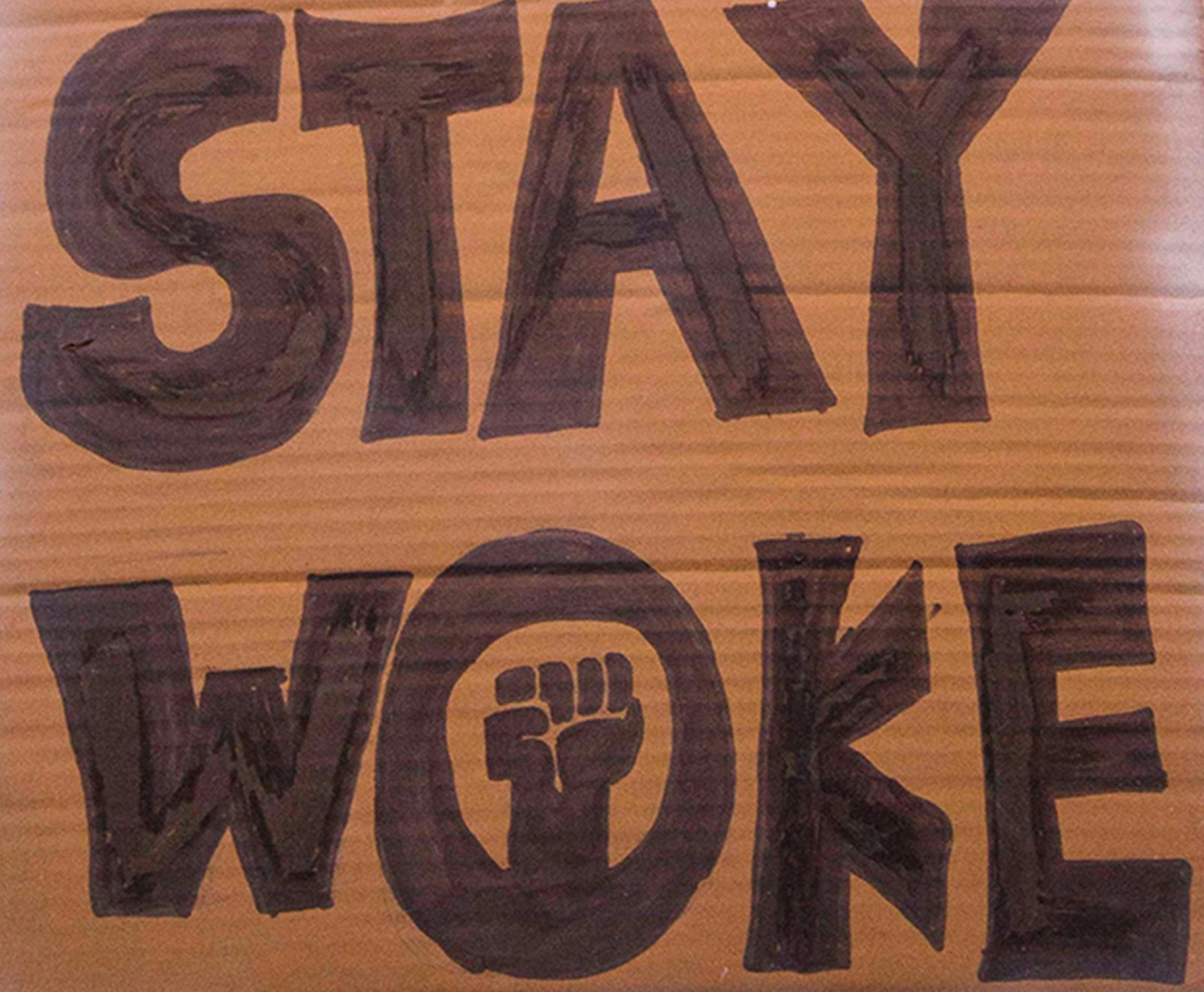
diplomacy and social justice movements may seem like two separate concepts, but they are interconnected in many ways. Diplomacy can be used as a tool to support social justice causes by fostering alliances, building coalitions, and promoting dialogue between governments and activists. One way diplomacy can support social justice movements is by facilitating international cooperation. When a social justice issue transcends national borders, such as climate change or human rights violations, diplomatic efforts are needed to address these issues on a global scale. By engaging in diplomatic negotiations and partnerships, social justice movements can amplify their voices and advocate for change on an international level. Diplomacy can also help social justice movements navigate complex political environments and overcome challenges. Diplomatic channels can be used to influence policy decisions, secure resources, and gain support from influential stakeholders. By leveraging diplomatic relationships, social justice movements can strategically advance their agendas and make a greater impact. Furthermore, diplomacy can be a powerful tool for raising awareness and promoting the values of social justice. Through public diplomacy initiatives, governments and organizations can educate the public about social justice issues, foster empathy and understanding, and mobilize support for positive change. By using diplomatic platforms to promote human rights, equality, and inclusivity, social justice movements can reach a wider audience and inspire meaningful action. Overall, diplomacy and social justice movements have the potential to complement each other and achieve common goals. By recognizing the important role that diplomacy plays in advancing social justice causes, we can work towards a more equitable and inclusive world for all. For additional information, refer to: https://www.unian.org
Leave a Comment:
SEARCH
Recent News
- Zurich, Switzerland: A Hub for Social Justice Movements
- Navigating Medical Device Regulations in Zurich, Switzerland
- Zurich, Switzerland and Liechtenstein are two neighboring European countries with distinct regulatory frameworks governing various aspects of society. In this blog post, we will explore some key regulations in Zurich, Switzerland and Liechtenstein that shape the way of life and business in these two unique destinations.
- Zurich, Switzerland: A Closer Look at Food Export-Import Regulations
- Zurich, Switzerland is renowned for its stunning landscapes, vibrant culture, and high quality of life. However, not many people are aware of the city's stringent food and drug regulations that contribute to the overall health and well-being of its residents and visitors.
- Creating YouTube content that spreads awareness about social justice movements is a powerful way to educate and inspire viewers from around the world. With the platform's global reach and diverse audience, creators have the opportunity to make a significant impact by shedding light on important issues and advocating for positive change.
- In today's digital age, YouTube has become a powerful platform for content creators to share their knowledge and expertise with a global audience. One particular niche that has been gaining traction on YouTube is the creation and translation of content related to medical devices regulation.
- YouTube Content Creation and Translation: Navigating Liechtenstein Regulations
READ MORE
3 months ago Category :

Zurich, Switzerland: A Hub for Social Justice Movements
Read More →3 months ago Category :

Navigating Medical Device Regulations in Zurich, Switzerland
Read More →3 months ago Category :

Zurich, Switzerland and Liechtenstein are two neighboring European countries with distinct regulatory frameworks governing various aspects of society. In this blog post, we will explore some key regulations in Zurich, Switzerland and Liechtenstein that shape the way of life and business in these two unique destinations.
Read More →3 months ago Category :
